
From a geometric idea to a coupled system
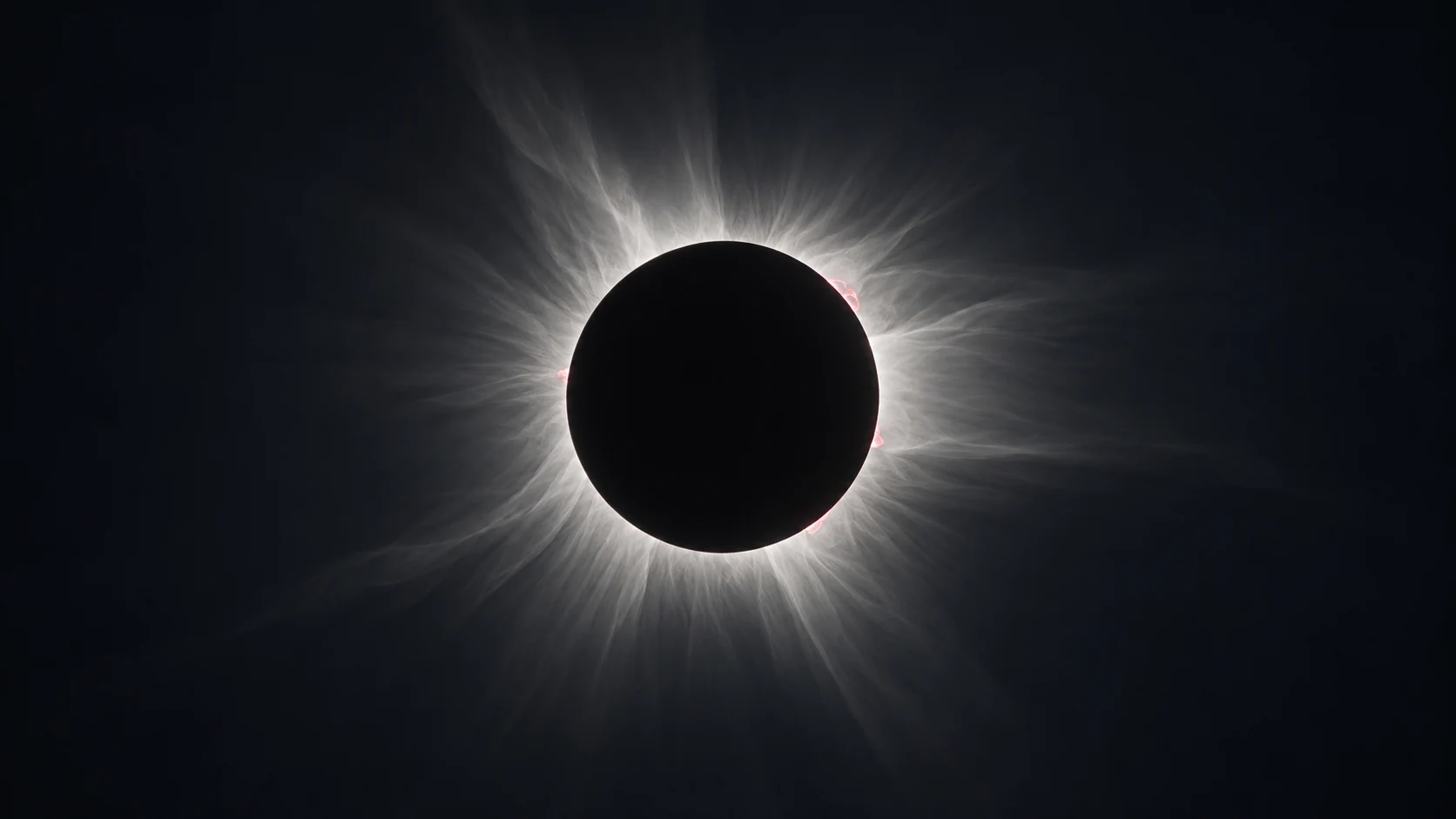
Chapter 4 explains the name through atmosphere, frustum and systematic study. A frustum is a geometric abstraction: it can help describe a shadow-like volume, but it does not replace radiative-transfer calculations. The extended solar disc, platform dimensions, diffuse skylight, scattering and solar angle determine the actual irradiance at the surface.
The book expands the proposed field beyond geometry. It brings together the specification of a radiative footprint and the assessment of its consequences: what changes, where a signal travels, what persists after withdrawal, and who bears the risks. Those questions demand several disciplines working on the same evidence.
Five connected areas of study
Atmosfrustology is presented as a proposed research framework, not an independently established academic discipline. It draws on existing fields and inherits their standards of measurement, reproducibility and public accountability.
- Radiative transfer: calculate direct, diffuse and reflected energy within and beyond a proposed footprint.
- Atmospheric science: investigate stability, turbulence, moisture, clouds, wind and air quality.
- Engineering: evaluate lift, materials, power, pointing, station keeping and controlled recovery.
- Earth systems: follow land, ocean, water-cycle and ecosystem responses across different timescales.
- Governance: examine authority, participation, transparency, liability, independent oversight and stopping rules.
The discipline has to earn its usefulness
A productive research programme would begin with narrow comparisons. Can two independent solvers reproduce the same radiative field? Can measurements distinguish a surface response from background variability? Does a result survive different models, surface types and weather regimes? Which observation would contradict the proposed mechanism?
Naming a field does not validate its proposed applications. The book does not claim that Atmosfrustology has demonstrated rainfall enhancement, storm control or climate stabilisation. A useful result could instead show that an engineering approach is impractical or that an atmospheric mechanism operates only under restrictive conditions.
The invitation is therefore to researchers from established disciplines: inspect the assumptions, identify missing controls, test the energy and moisture accounting, and challenge the framework. The most valuable contribution may be a precise limit rather than an expansive claim.
Sources & further reading
These sources establish background context. They do not certify the ASES proposal or demonstrate its proposed applications.
ASES remains a research proposal. Atmosfrustology is the author’s proposed framework. No operational climate-control capability is established by this website.