
A book and a research proposal
Exploring the science of an engineered shadow.
What happens when sunlight is reduced over a defined place for a defined time?
The Calibrated Earth examines Artificial Solar Eclipse Shadowing (ASES), connecting radiation, atmospheric processes, AI and the evidence needed for responsible research.
By Manoj Kumar Nalanagula

Start with the science
From physical principle to testable question.
Explore the mechanisms and constraints before considering an application.
Observations & interpretation
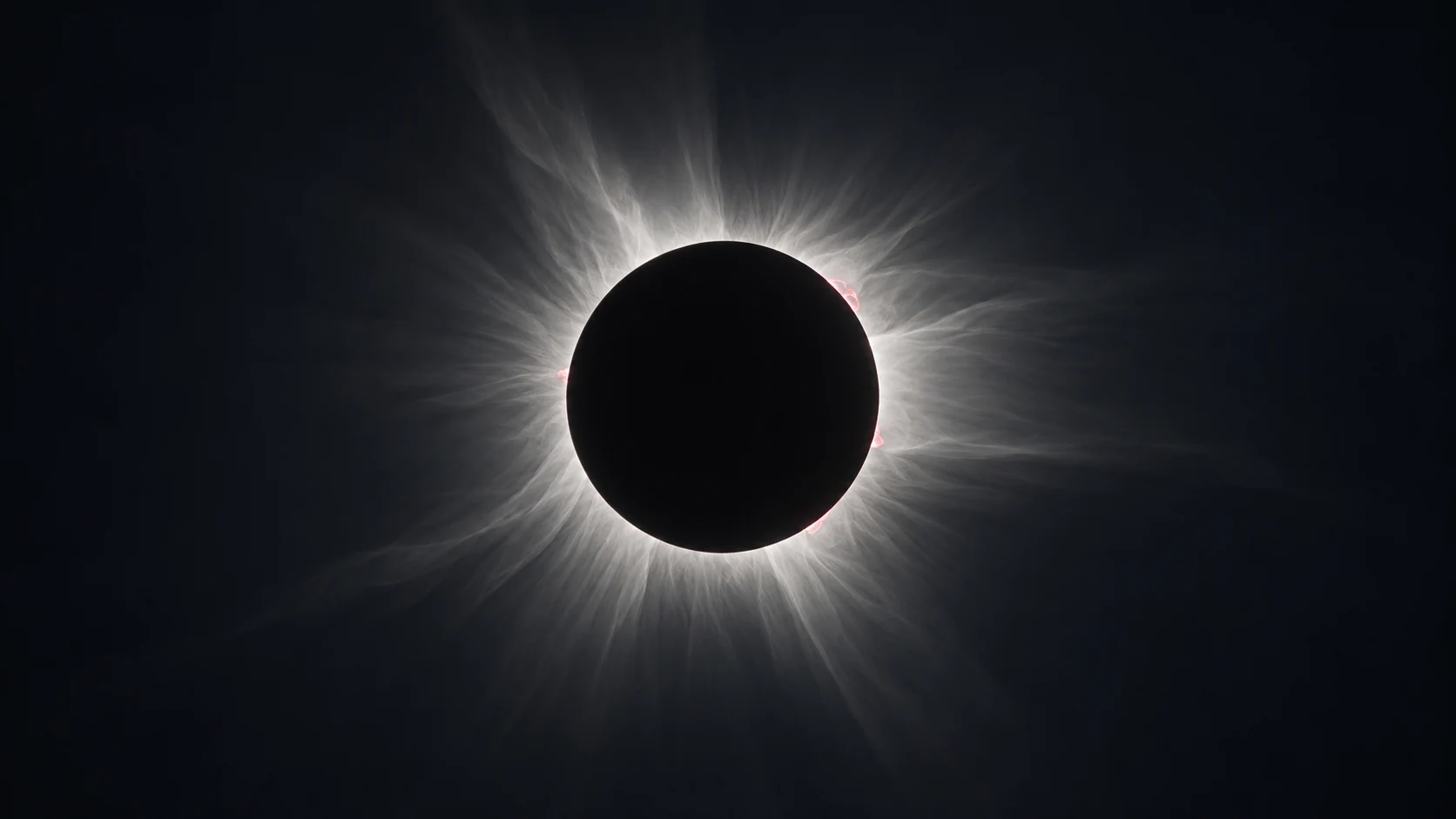
What natural eclipses teach us
Learn how natural eclipses help researchers study sunlight, temperature, turbulence and clouds, and why they do not validate engineered shadowing.
Read the overview →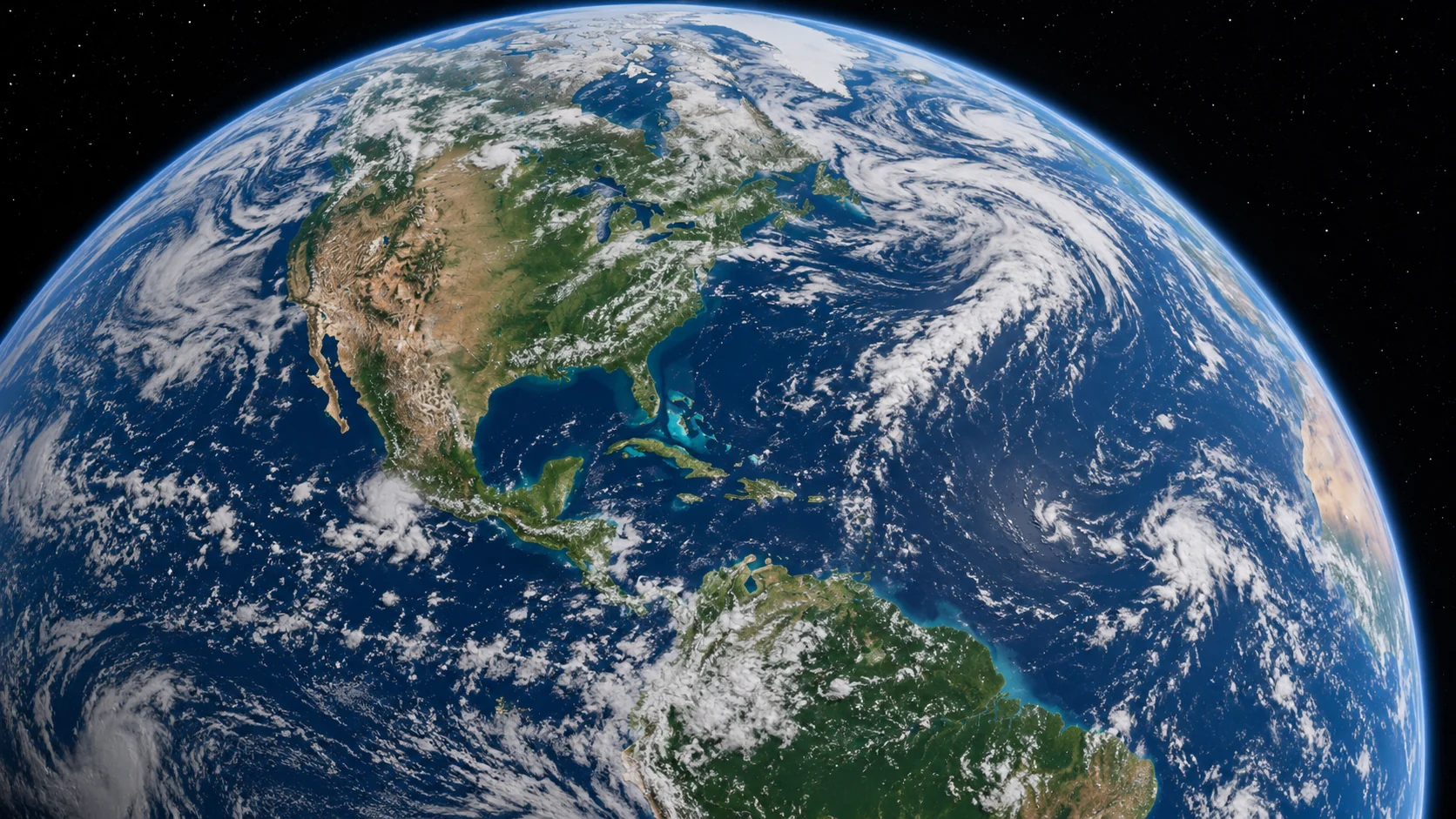
The physical foundations
Radiation, energy & water
Follow the energy and water budgets behind proposed shadowing. Distinguish surface irradiance, absorbed energy and atmospheric outcomes.
Read the overview →
Atmospheric response
Clouds, cooling & rainfall
Why shadow-induced cooling does not guarantee cloud growth or rain: explore observations, stability, moisture and testable ASES hypotheses.
Read the overview →Research framework
Introducing Atmosfrustology
The author’s proposed framework brings shadow geometry, radiation, atmospheric science, engineering and governance into the same research conversation.
Its usefulness depends on transparent assumptions, reproducible results and a willingness to revise or reject a proposed mechanism.
Explore the framework →Research pathways
Questions that need an answer.
Sunlight, screens & scale
The geometry of an artificial shadow
Understand umbra, penumbra and the size limits of a high-altitude screen, using transparent idealised geometric examples.
Read the overview →FEASIBILITY & SYSTEM REQUIREMENTS
Engineering the Question
The physical and operational requirements that an Artificial Solar Eclipse Shadowing concept would need to satisfy before feasibility could be assessed.
Read the overview →OBSERVATIONS & STUDY DESIGN
What Would We Need to Measure?
A measurement framework for testing the atmospheric response to temporary shading, with controls, uncertainty and reproducible analysis.
Read the overview →Computation & uncertainty
AI & atmospheric modelling
Explore proposed roles for AI, paired simulations, atmospheric digital twins and independent review in ASES research.
Read the overview →Methods & milestones
A roadmap for testing the proposal
A conditional research pathway for ASES: geometric checks, observational benchmarks, independent modelling and decisions about whether to proceed.
Read the overview →Review, participation & oversight
Responsible research
How the ASES proposal approaches uncertainty, independent review, affected communities, stopping rules and responsible research communication.
Read the overview →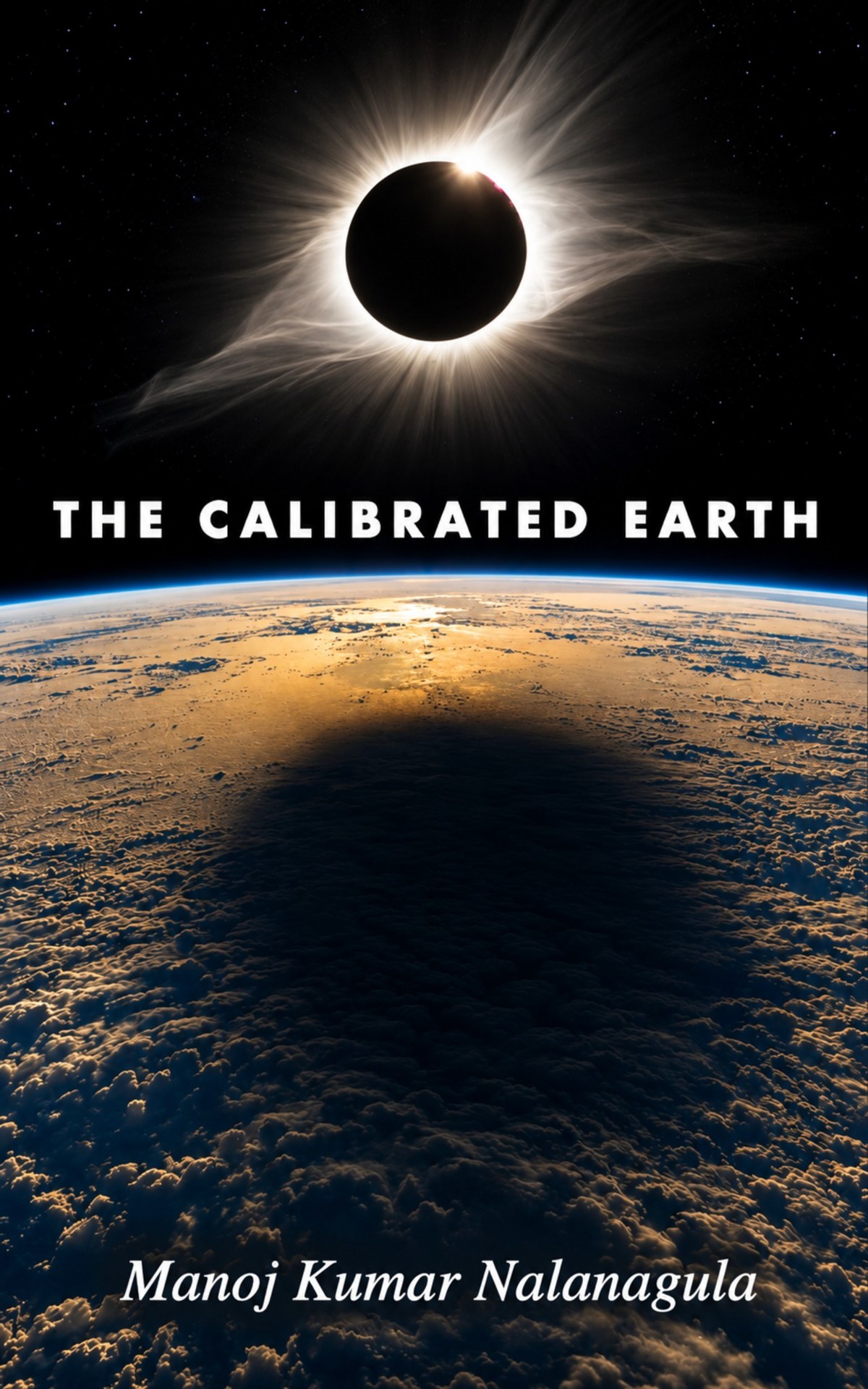
The book
The Calibrated Earth
Artificial Solar Eclipse Shadowing: Physics, AI, and a Framework for Responsible Research.
459-page paperback · English · Published 12 October 2026
The author
Manoj Nalanagula
Based in Visakhapatnam, his work examined here spans Uddanam environmental research and the proposal developed in The Calibrated Earth.
Read the author profile →Visual explanations
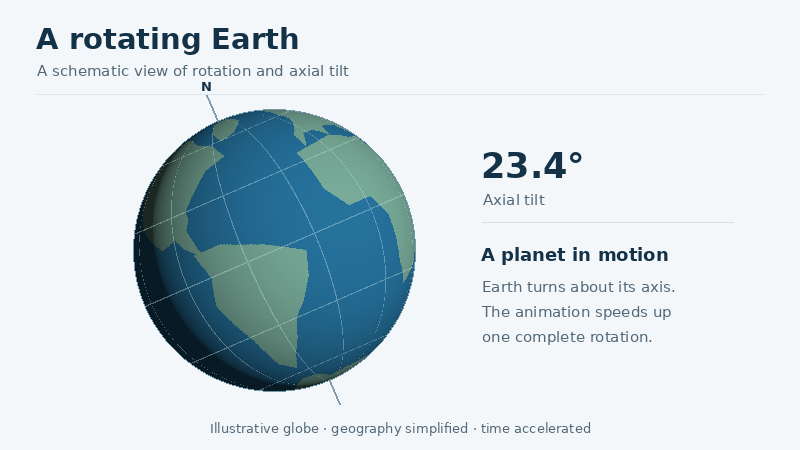
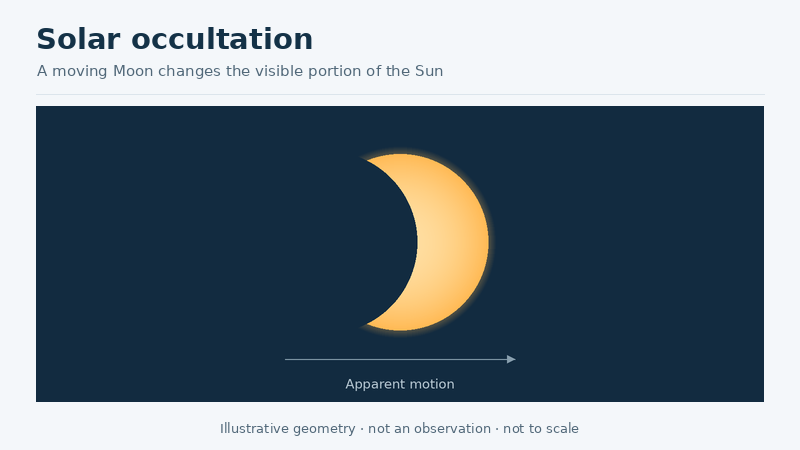
Earth and eclipse, in motion.
Read the proposal critically.
Natural eclipses offer useful observations. An engineered shadow introduces different geometry, duration and engineering demands. This website presents proposed research, not a demonstrated rainfall or climate-control service.
Explore the independent sources →